The Must-Read Articles of 2025: Our Top 10
By
From breakthrough insights to reader favorites, these are the articles that sparked conversation and kept (you) our audience coming back all year long.
December 24, 2025
From The Staff Communications
10. The Ecoacoustics of Forests

Sound can be a hugely important source of data about ecosystems—but first it has to be reliably recorded.
9. Your Science is Important

Tallies vary, but it appears that recent terminations of grants issued by the National Institutes of Health, the National Science Foundation, and other federal agencies number in the thousands and amount to billions of U.S. dollars.
8. Rethinking Adult ADHD
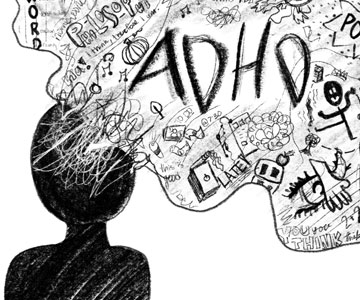
The diagnostic category for attention-deficit/hyperactivity disorder has become more inclusive, but that does not mean the condition is being overdiagnosed.
7. Rare but Deadly
by Durland Fish

A perilous tick-borne illness is spreading—and it isn’t Lyme disease.
6. Brain Surgery Without a Knife

Focused ultrasound shows promise as a treatment for neurological conditions such as Alzheimer’s disease and addiction.
5. People are Not Peas

The decades out-of-date genetics curricula taught in most U.S. schools stokes misconceptions about race and human diversity.
4. The Science of Hi-Fi Audio

Despite great advances in quantifying sound quality, engineers are still struggling to satisfy the subjective ways listeners respond to music.
3. Support Scientists Who Stand Up
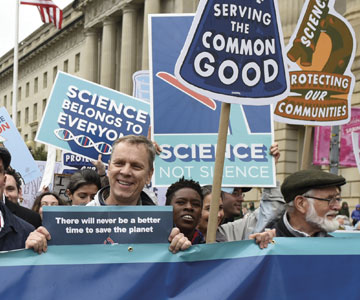
Researchers should not have to endure death threats or public attacks when they engage publicly and try to combat misinformation.
2. The Discovery of Nothing

Creating a vacuum on Earth led not only to cleaning tools but also to weather forecasting, light bulbs, televisions, computers, and modern medical imaging.
1. The Manipulative Side of Chatbots and AI

These modern marvels converse with ease but can also deceive.
American Scientist Comments and Discussion
To discuss our articles or comment on them, please share them and tag American Scientist on social media platforms. Here are links to our profiles on Twitter, Facebook, and LinkedIn.
If we re-share your post, we will moderate comments/discussion following our comments policy.