Skip to main content
Close
Search
Help
Topics
Features
Blogs
Video
Podcasts
Magazine
Archive
Subscribe
About Us
Advertise
Login
Register
Facebook
YouTube
LinkedIn
Bluesky
American Scientist
Open navigation
Search
Help
Login
Tags
Human Ecology
Aeronautics
Aesthetics
Anatomy
Animal Behavior
Anthropogeography
Archaeology
Astrogeology
Astronautics
Astrophysics
Botany
Cartography
Chronology
Climatology
Cosmology
Crystallography
Cybernetics
Cytology
Ecology
Embryology
Epidemiology
Excerpt
Forestry
Geneaology
Genetics
Geographical Distribution
Geography
Geology
History Of Civilization
Human Ecology
Immunology
Information resources (general)
Information Theory
Linguistics
Logic
Metallurgy
Methodology
Microbiology
Mineralogy
Morphology
Motor Vechicles
Natural History
Nature Conservation
Neuroscience
Oceanography
Paleontology
Petrology
Philosophy of Science
Photography
Physiology
Poetry
Rationalism
Religion
Reproduction
Review
Scientists' Nightstand
Social Science
Special Collections
Statistics
Theology
Transportation
Virology
Zoology
How Do Scientists Really Use Computers?
Greg Wilson
Communications
Computer
Human Ecology
Social Science
Macroscope
Strangers in a Strange Land
Edward W. Felten
Psychology
Sociology
Technology
Human Ecology
Review
Scientists Nightstand
Books
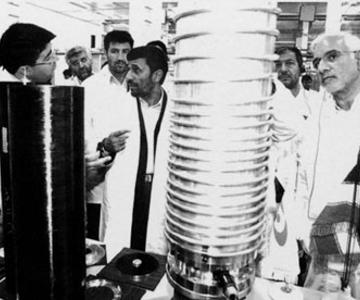
The Politics of Proliferation
John F. Ahearne
Physics
Policy
Human Ecology
Review
Scientists Nightstand
Books
Chemicals We Have Loved—and May Need to Break Up With
Emily Monosson
Chemistry
Ethics
Policy
Human Ecology
Review
Scientists Nightstand
Books
Revisiting the Limits to Growth After Peak Oil
Charles A. Hall
,
John W. Day
Environment
Sociology
Human Ecology
Tacoma Narrows Bridges
Henry Petroski
Engineering
Physics
Human Ecology
Engineering
Load more
×
AMSCI ICON NAVIGATION:
Navigation Menu
Search
Help
Log In, Register
My AmSci
Select Options
(not present on all pages)
Click "American Scientist" to access home page
×